
Tree Roach or German Roach? Which One Is in Your Kitchen
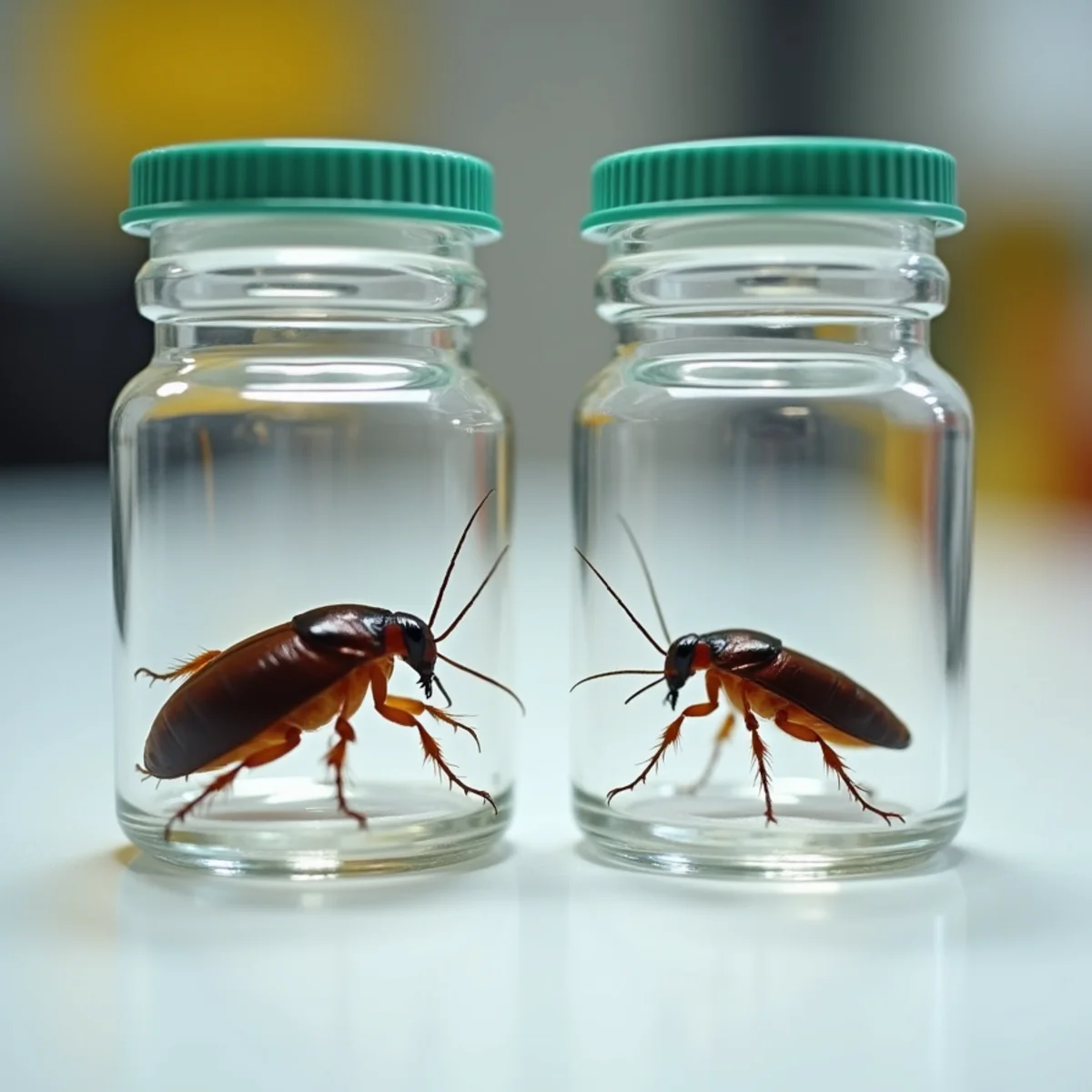
German cockroaches are small (1/2 inch), light brown with two dark parallel stripes behind their head, and breed exclusively indoors in kitchens and bathrooms. American 'tree roaches' are large (1.5 to 2 inches), reddish-brown, fly, and live outdoors in mulch and trees, entering homes accidentally looking for water.
Size, Color, and Morphology: Key Diagnostic Features
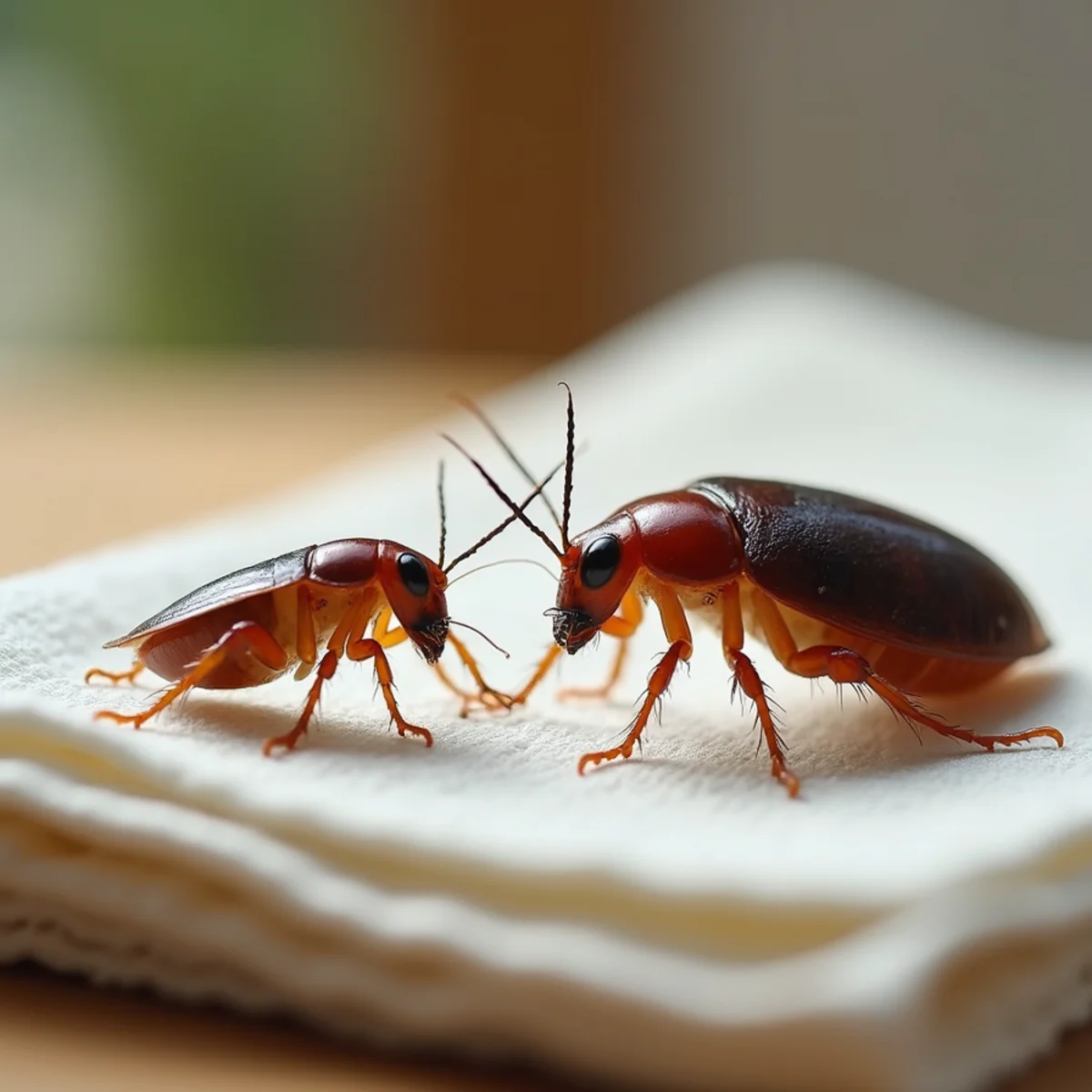
Finding a cockroach scuttling across your kitchen counter or bathroom floor at night triggers instant disgust. But before calling an exterminator or reaching for an aerosol spray, accurately identifying the species is paramount. In Southeast Texas, homeowners routinely encounter two vastly different roach species: the German cockroach (Blattella germanica) and the American cockroach (Periplaneta americana), colloquially known throughout Houston as the 'tree roach' or 'palmetto bug.'
Confusing these two pests leads to disastrous DIY treatment failures. Here are the clear anatomical markers that separate them:
- German Cockroach Physical Profile: Adults are small, measuring just 1/2 to 5/8 inch long (about the length of a paperclip). Their coloration is a pale yellowish-brown to tan. The definitive diagnostic feature is two prominent, dark parallel racing stripes running vertically along the pronotum (the shield plate directly behind the head). While adults have wings, they cannot sustain true flight and only flutter short distances if falling.
- American 'Tree Roach' Physical Profile: Adults are enormous, measuring 1.5 to 2.2 inches in length. They display a glossy, rich reddish-brown or mahogany sheen with a subtle yellowish perimeter band encircling the pronotum. Both males and females have fully developed wings extending beyond the abdomen and are capable of soaring, gliding flights, especially when disturbed in warm, humid weather.
- Egg Capsule (Ootheca) Differences: A German roach female carries her light brown, ridged egg capsule attached to her abdomen until hours before hatching. An American roach drops her dark mahogany, purse-shaped egg capsule in damp mulch or leaf debris outdoors within a day of producing it.
Habitat and Behavior: Kitchen Colony vs. Outdoor Accidental Invader
The single most important distinction between these two insects lies in where and how they live:
German cockroaches are obligate indoor pests that cannot survive long-term in the wild. They depend entirely on human habitations for survival. In a Houston home, they congregate in tight, warm, moisture-rich crevices within feet of food and water sources—inside cabinet hinge pockets, behind refrigerator compressor motors, underneath microwave housings, and within hollow bathroom vanity walls. If you see one German roach during daylight hours, hundreds or thousands are likely hidden behind drywall voids.
American cockroaches ('tree roaches'), conversely, are peridomestic outdoor insects. Their natural habitat is rotting pine logs, decomposing mulch beds, storm sewer systems, and the hollow crowns of mature live oak and palm trees throughout Kingwood, Humble, and Spring. They enter homes accidentally, slipping under weather stripping or through open weep holes in search of water during dry Texas summers or seeking warmth during winter cold snaps.
Need Immediate Guidance for Your Home?
Our local Humble coordination team is ready to answer questions and schedule on-site evaluations.
Reproductive Capacity and Infestation Trajectories
The biological math behind these two species explains why a German roach problem escalates with terrifying speed compared to occasional tree roaches:
A single female German cockroach produces 4 to 8 egg capsules during her 20 to 30-week lifespan, with each capsule containing 30 to 48 nymphs. Because nymphs reach sexual maturity in just 36 to 60 days, a single fertilized female German cockroach introduced via a grocery bag or used appliance can theoretically explode into an infestation of over 10,000 descendants within a single year under favorable kitchen conditions.
In contrast, American cockroaches develop exceedingly slowly. An egg capsule contains only 14 to 16 eggs, and nymphs require 12 to 24 months of outdoor feeding before reaching reproductive maturity. They simply do not have the indoor reproductive velocity to establish nesting colonies inside clean, air-conditioned rooms.
Why the Treatment Method Is 100% Different

Because their biology and habitats are opposites, treating a German roach problem with tree roach tactics (or vice versa) guarantees failure:
The Over-the-Counter 'Bug Bomb' Mistake: The worst action a homeowner can take against German cockroaches is releasing total-release aerosol foggers ('bug bombs'). Pyrethroid foggers cannot penetrate tight cabinet joints or wall voids. Instead, the repellent vapors irritate the roaches, causing them to scatter throughout bedrooms, closets, and wall cavities, turning a localized kitchen issue into a whole-home disaster.
Professional German Cockroach Protocol: Successful eradication requires non-repellent interior gel baiting (using active ingredients like indoxacarb or dinotefuran) placed in pea-sized micro-dots where roaches aggregate. Technicians combine baits with Insect Growth Regulators (IGRs) like pyriproxyfen, which sterilize nymphs and prevent egg development. Roaches consume the bait, return to harborage voids, and transfer the active ingredient through feces and necrophagy.
American 'Tree Roach' Protocol: Eliminating tree roaches requires zero indoor spraying. Treatment focuses on exterior exclusion: sealing foundation weep holes with wire mesh, dusting attic and crawlspace penetrations with long-lasting desiccant dusts, and establishing a high-volume non-repellent barrier trench around the concrete foundation perimeter.
Practical Prevention Steps for Texas Homeowners
To safeguard your Humble or Kingwood home against both pests, execute these seasonal maintenance habits:
- Keep Mulch and Pine Straw 12 Inches from Foundations: Thick, damp mulch against brick creates an ideal outdoor habitat for American tree roaches directly adjacent to weep holes.
- Inspect Cardboard Boxes and Secondhand Items: German roaches are frequently carried into homes inside grocery store delivery boxes, secondhand furniture, and electronics.
- Repair Plumbing and P-Trap Leaks: German roaches cannot survive more than 48 hours without water. Eliminating condensation on pipes and fixing dripping faucets removes their critical moisture supply.
- Seal Door Sweeps and Garage Seals: Ensure exterior doors, especially garage doors, have tight rubber sweeps that seal flush against concrete thresholds.