Texas WDI Inspection Guide for Home Buyers in Humble & Kingwood

A Texas WDI (Wood Destroying Insect) inspection is an official structural evaluation conducted by a TDA-licensed certified applicator to detect subterranean termites, drywood termites, carpenter ants, and wood-boring beetles. Required by VA, FHA, and most conventional lenders, a WDI report typically costs $125 to $225.
Why a Standard Home Inspection Is Not Legally Sufficient
When purchasing residential real estate in Texas, buyers routinely hire a professional home inspector licensed by the Texas Real Estate Commission (TREC). While these general inspectors perform thorough audits of the roof, electrical panels, HVAC units, and plumbing lines, the standard TREC inspection agreement explicitly disclaims wood-destroying insect evaluations.
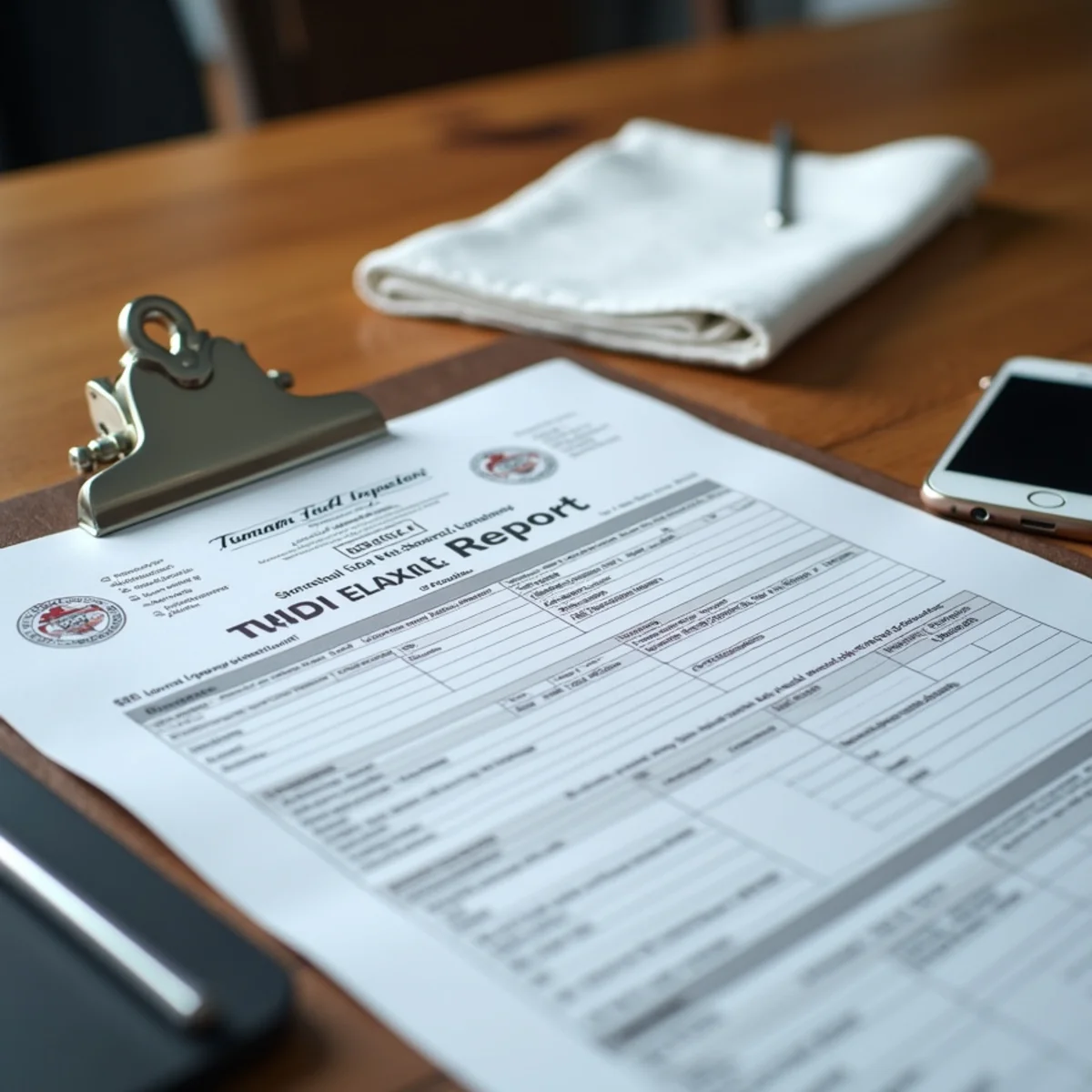
Under Texas law, only a licensed Certified Applicator or licensed Technician employed by a business registered with the Texas Department of Agriculture (TDA) Structural Pest Control Service (SPCS) is legally authorized to inspect for wood-destroying insects and issue the mandatory state-approved Texas Official Wood Destroying Insect Report (Form SPCS/T-4).
Attempting to close on a home with only a general inspector's informal comment on termites is not accepted by mortgage underwriters and leaves the buyer completely unprotected against thousands of dollars in hidden structural framing damage.
The Four Target Organisms on the Texas WDI Report
The official Texas Form SPCS/T-4 specifically audits for four destructive insect categories that feast on or nest inside structural wood:
- Subterranean Termites (Eastern & Formosan): The most common and destructive wood-destroying organism in Harris and Montgomery counties. Inspectors look for mud shelter tubes rising up foundation slab edges, hollowed sounding wood, and pinhole emergence holes.
- Drywood Termites: Insects that do not require ground soil contact, living entirely inside dry structural framing or hardwood door frames. Inspectors search for distinctive six-sided fecal pellets (frass) kicked out of kick-out holes in attics and fascia boards.
- Carpenter Ants (Camponotus species): Large black or red ants that do not eat wood for nutrition, but excavate smooth, sandpapered nesting galleries inside wall studs, subfloors, and foam insulation where moisture has softened the cellulose.
- Wood-Boring Beetles (Powderpost & Anobiid Beetles): Beetles whose larvae burrow through structural joists for years, leaving behind fine talcum-like powder and tiny circular exit holes (shot holes).
Need Immediate Guidance for Your Home?
Our local Humble coordination team is ready to answer questions and schedule on-site evaluations.
Understanding 'Conducive Conditions' on Page 2
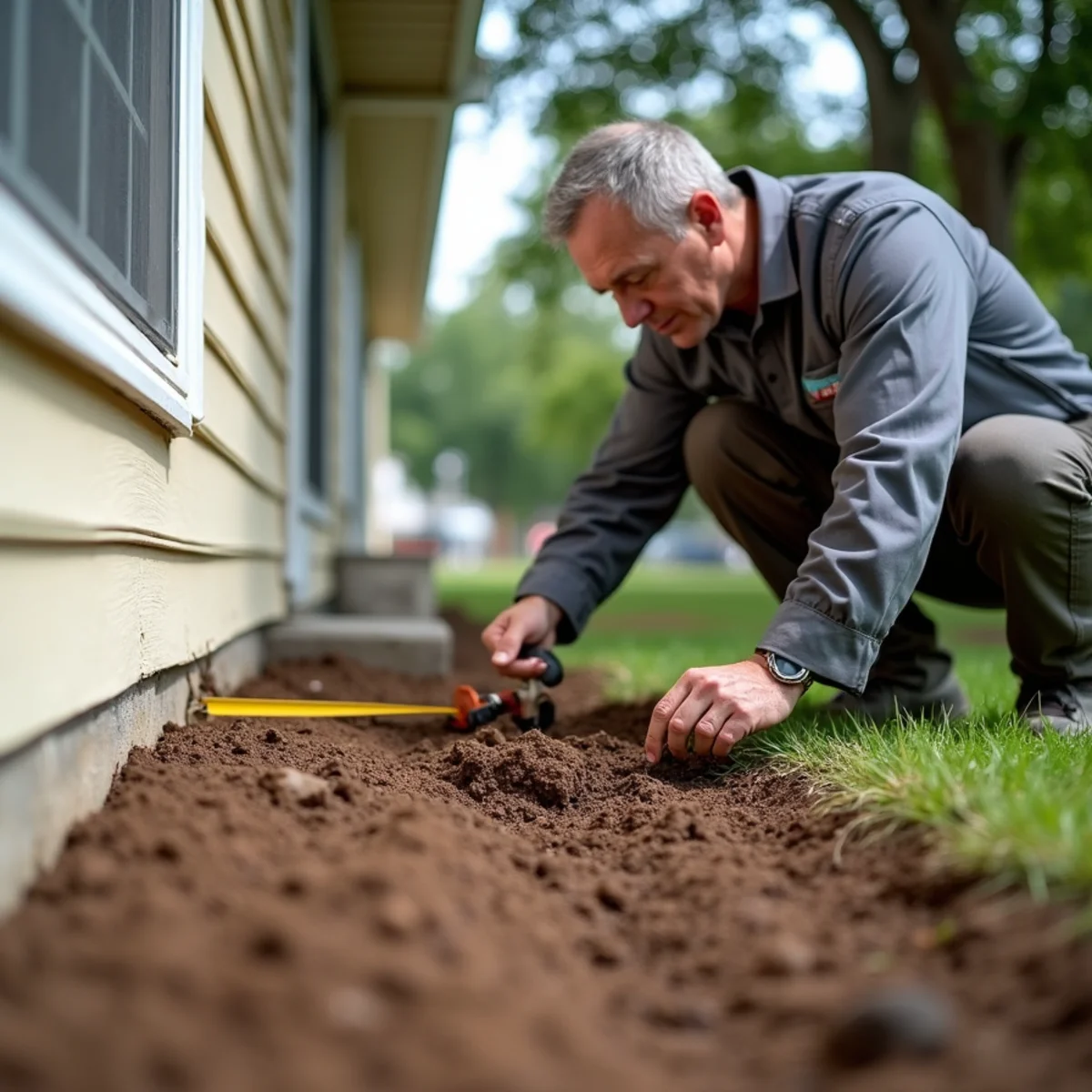
Even if the inspector finds zero evidence of live insects or previous structural damage, Page 2 of the Texas WDI report contains a critical section titled 'Conducive Conditions.' These are architectural and landscaping defects that create high-risk environments for future termite invasion:
High Soil Grade / Covered Weep Holes: Texas building code requires at least 4 to 6 inches of bare concrete foundation exposed between ground soil and the bottom of brick veneer. When flowerbeds or topsoil cover weep holes, termites enter straight into the wall cavity without needing visible exterior mud tubes.
Wood-to-Ground Contact: Wooden privacy fence posts, pergolas, deck stairs, or landscape timbers touching soil directly against the home's exterior walls provide an untreated cellulose pathway for termites.
Heavy Mulch or Vegetation Against Walls: Dense landscaping and damp wood bark mulch trap moisture against the foundation slab, maintaining the humidity subterranean termites require.
Plumbing Leaks and AC Condensate Discharges: Water pooling against the foundation from leaking hose bibs or dripping AC lines softens soil and draws foraging termites toward the slab edge.
Lender Requirements: VA, FHA, and Conventional Mortgages
Depending on your loan program, a clear Texas WDI report may be a mandatory prerequisite for closing:
VA Loans: The Department of Veterans Affairs mandates a clear WDI inspection for all Texas home purchases because Texas sits in a high-infestation hazard zone. Furthermore, VA rules historically prohibited the veteran buyer from paying the inspection fee, requiring the seller or lender to cover the invoice (though recent policy updates allow flexibility). If active termites are detected, professional treatment and proof of clearance is mandatory before funding.
FHA Loans: The Federal Housing Administration requires a WDI report if the property appraiser notes signs of insect infestation or if local health authorities mandate inspections.
Conventional Loans: While Fannie Mae and Freddie Mac do not require WDI reports on every file, individual underwriters frequently condition loan approval on a clean termite report if the property is over 10 years old or located in heavily wooded communities like Kingwood or Spring.
How to Leverage WDI Findings During Option Period Negotiations
Receiving a WDI report showing active termites or past structural damage is not a reason to terminate your contract, but it gives you immense negotiating leverage during your Texas TREC Option Period:
- Demand Professional Treatment Prior to Closing: Request that the seller hire a licensed pest control company to perform a full perimeter non-repellent liquid treatment (Termidor SC) or install a Sentricon baiting system, providing a minimum 1-year transferable warranty to the buyer.
- Require an Engineer or Framing Contractor Assessment: If the report indicates prior structural damage, have a licensed framing carpenter or structural engineer verify whether load-bearing sill plates or wall studs have suffered loss of structural integrity.
- Negotiate Seller Concessions or Price Reductions: If the seller refuses to treat the property prior to closing, negotiate a closing credit or reduction in purchase price so you can commission the eradication treatment immediately upon taking ownership.