
How Much Does Pest Control Cost in Humble, TX?

In Humble, TX and Greater Houston, professional pest control costs range from $188 to $369 for one-time general pest treatments, $100 to $150 per quarter ($30 to $50/month) for recurring maintenance plans, $250 to $600 for rodent trapping and exclusion, and $515 to $1,800+ for whole-home structural termite treatments.
Houston Market Benchmark Pricing Breakdown

Pest control pricing across the Greater Houston metropolitan area—including Humble, Kingwood, and Atascocita—is determined by square footage, foundation construction, target biological species, and treatment intensity. Unlike northern states where winter freezes provide seasonal relief, Southeast Texas requires sustained year-round pest defense.
Based on regional Houston industry averages and verified Texas contractor rate schedules, here are the benchmark cost ranges homeowners should expect when reviewing competitive estimates:
- One-Time General Pest Cleanout: $188 to $369 (covers diagnostic interior baseboard micro-injection, plumbing wall void dusting, and a complete 3-foot exterior perimeter foundation band for crawling insects).
- Quarterly Preventative Maintenance: $100 to $150 per quarter ($33 to $50 monthly equivalent), typically established after an initial diagnostic cleanout fee of $100 to $195.
- Subterranean Termite Treatment: $225 to $750 for localized spot treatments, while whole-home liquid trenching (Termidor SC) and bait system installations (Sentricon) average $850 to $2,400+ depending on linear slab footage.
- Rodent Trapping & Structural Exclusion: $275 to $650 for attic snap-trap runs; comprehensive roofline exclusion using heavy 1/4-inch galvanized mesh ranges from $800 to $2,200 with multi-year warranty protection.
- Bed Bug Remediation: $350 to $700 per infested room for targeted chemical protocols; $1,400 to $3,200+ for whole-home thermal heat treatments.
- Seasonal Mosquito Barrier Fogging: $65 to $115 per monthly application from March through October, including foliage barrier misting and standing water larviciding.
Key Architectural Variables That Shape Your Written Estimate

No reputable Texas pest management provider can provide an accurate, binding proposal over the telephone without physically inspecting your structure. Several architectural characteristics unique to Northeast Houston directly determine labor time and product volume:
Linear Footage vs. Gross Square Footage: Subterranean termite liquid treatments and perimeter insect barriers are priced by the linear footage around the foundation perimeter, not interior room volume. A sprawling 2,800 sq ft single-story home with numerous exterior bump-outs requires significantly more linear termiticide than a two-story home of identical square footage.
Attached Concrete Flatwork & Porches: Liquid termiticide must form a continuous unbroken barrier around the entire foundation stem wall. Where attached concrete driveways, tiled patios, or brick walkways abut the slab, technicians must drill through concrete every 12 inches using heavy rotary hammer drills to rod termiticide beneath the slab, increasing equipment wear and on-site labor.
Roofline Pitch & Dormer Architecture: Homes in Kingwood and Atascocita with steep gables, complex roofline valleys, and second-story roof returns require specialized high-ladder safety equipment to inspect and exclude roof rats, directly impacting rodent exclusion quotes.
Infestation Biology & Resistance: Treating a minor German cockroach sighting in a dry utility closet requires far less chemistry than remediating a heavy kitchen infestation where roaches have colonized refrigerator compressor voids, dishwasher motors, and hollow cabinet hinges.
Need Immediate Guidance for Your Home?
Our local Humble coordination team is ready to answer questions and schedule on-site evaluations.
One-Time Corrective Treatment vs. Recurring Quarterly Plans
Homeowners frequently ask whether they should purchase a single corrective service or enroll in an ongoing seasonal plan. Here is how licensed professionals evaluate the tradeoff:
When a One-Time Service Makes Sense: Single-incident services are ideal for isolated, non-structural issues with distinct physical endpoints. Examples include removing an active paper wasp nest from a front porch eave, clearing out an empty rental property before tenant occupancy, or eliminating a localized bed bug introduction following recent travel.
When Quarterly Maintenance Saves Money: For persistent crawling pests like American cockroaches, red imported fire ants, and spiders, one-time treatments are temporary band-aids. In Texas, rain and UV sunlight degrade outdoor chemical barriers within 75 to 90 days. Quarterly maintenance maintains an uninterrupted protective perimeter band around weep holes and exterior walls, accompanied by free re-treatment guarantees if pests appear between visits.
Deceptive Contract Traps and Low-Price Teasers to Avoid
When evaluating pest control estimates in Humble, be cautious of predatory sales practices that trade quality for low upfront pricing:
The '$79 Surface Spray Teaser': Advertised budget specials frequently involve a technician spraying a low-concentration repellent pyrethroid along visible baseboards in 10 minutes. These sprays do not penetrate wall voids, do not inspect attics, and scatter bugs deeper into the structure while subjecting the homeowner to high-pressure upsell pitches.
Deceptive Auto-Renewal Clauses: Many national corporate franchises insert automatic annual contract renewals with hefty early-termination penalty fees hidden in fine print. At Geaux 72 Pest Pros, we operate with upfront written estimates, transparent scope definitions, and zero cancellation penalties.
What to Look for in a Written Service Agreement
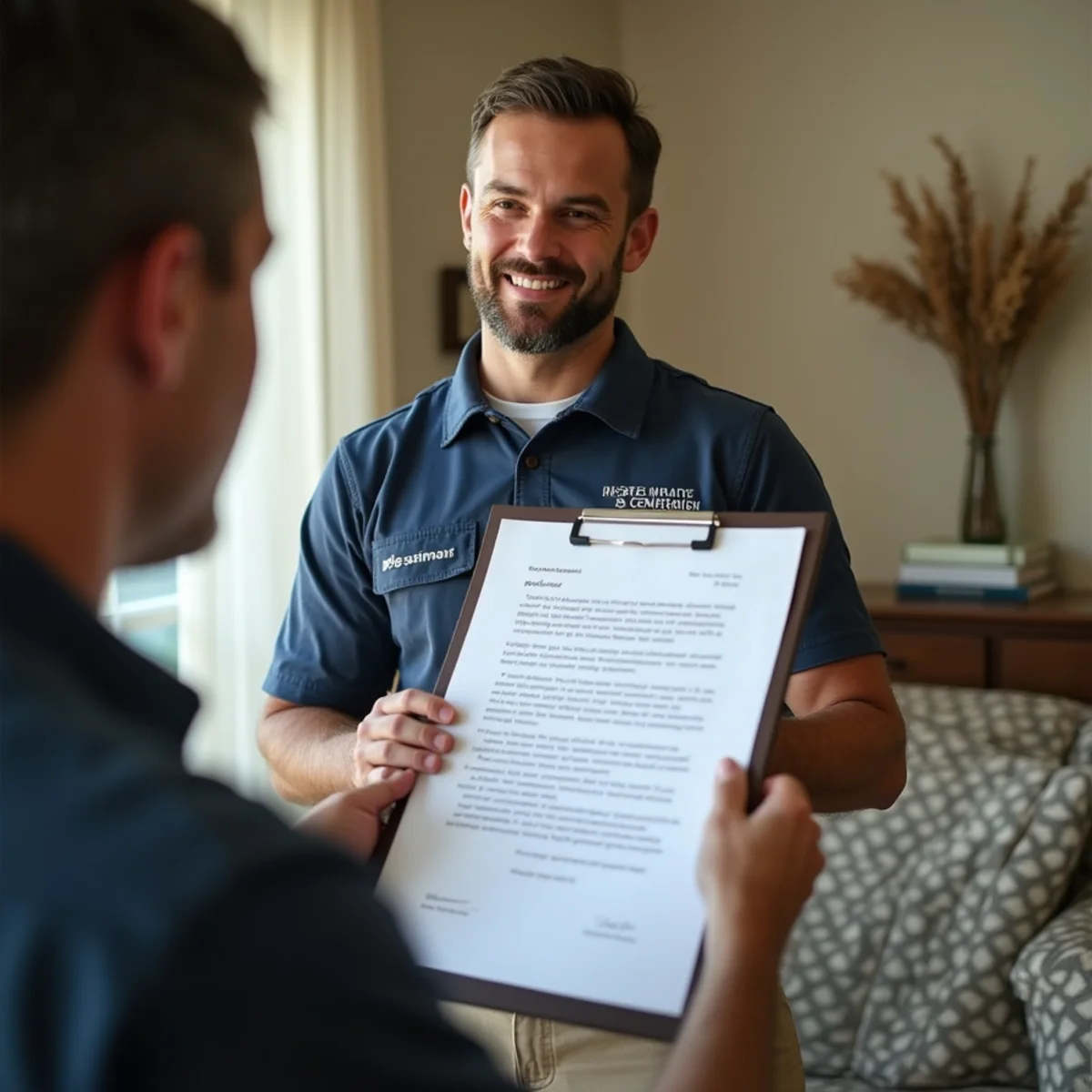
Before authorizing any structural pest treatment, confirm that your written proposal includes the following four technical standards:
1. Clear Re-Treatment Guarantee: Does the agreement state in writing that intermediate service calls between quarterly visits are provided at zero additional charge?
2. Complete Chemical Product Disclosures: The proposal should explicitly list the commercial brand names (e.g., Termidor SC, Alpine WSG, Advion) and active ingredients being applied.
3. TDA Structural Applicator Verification: Verify that the operating company and dispatched technician hold valid licenses with the Texas Department of Agriculture Structural Pest Control Service.
4. Transparent Scope Boundaries: The quote should clearly define what is included—such as weep hole screening, attic dusting, or garage perimeter barriers—versus items requiring separate billable work orders.