
Formosan vs Native Subterranean Termites in Harris County: How to Tell
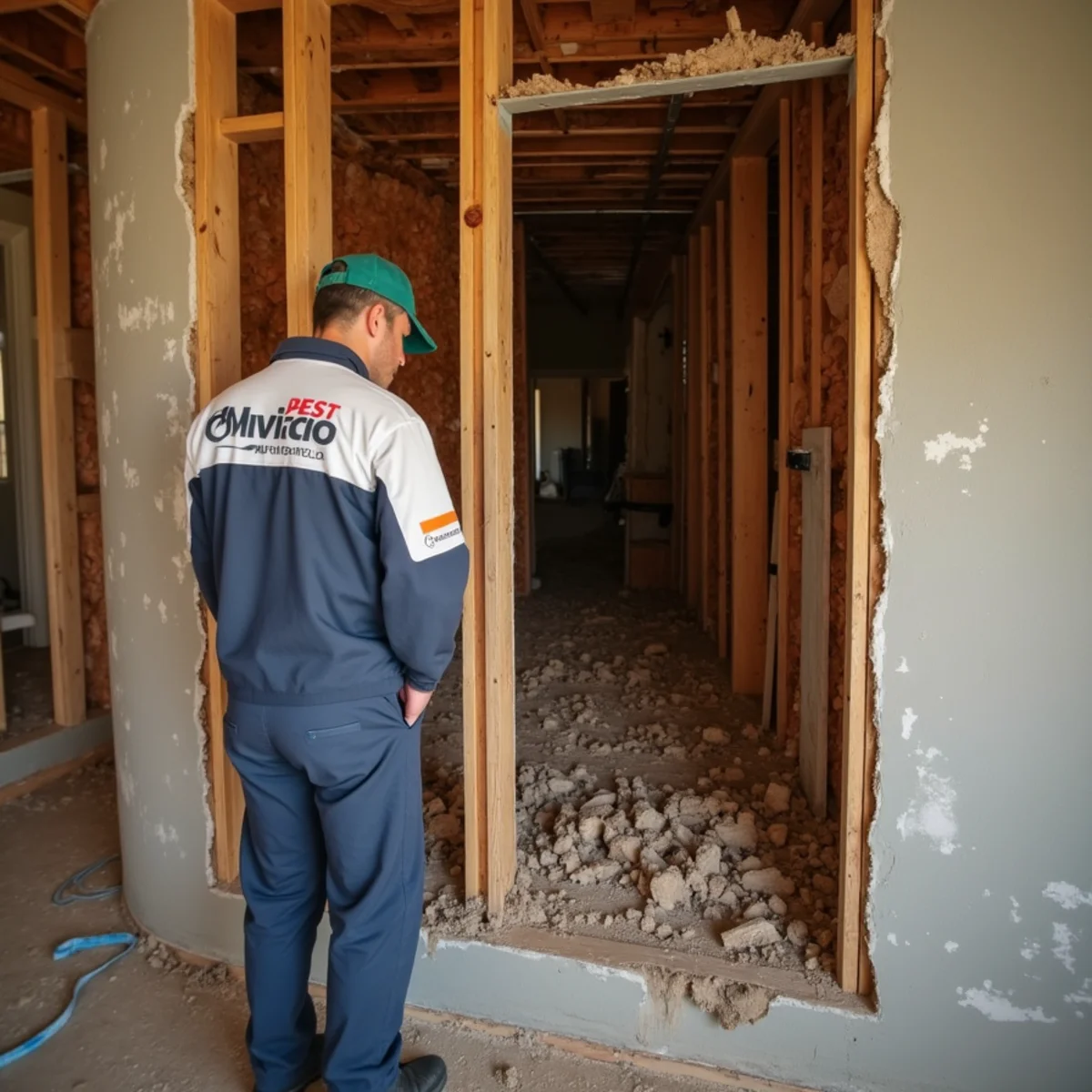
Formosan termites differ from native subterranean termites in swarm timing (dusk in May-July vs daytime in Feb-April), coloration (yellowish-brown vs coal black), colony size (millions vs hundreds of thousands), and their ability to build aerial carton nests inside wall voids without returning to ground soil for moisture.
The Threat of Formosan Subterranean Termites in Houston
Introduced to Texas Gulf Coast shipping ports following World War II via contaminated military cargo and wooden crates, Formosan subterranean termites (Coptotermes formosanus) are widely recognized by entomologists as the most destructive structural insect in North America. Nicknamed the 'super-termite,' a mature Formosan colony can reach staggering populations of 3 to 7 million individuals, foraging aggressively across an underground territory spanning more than 300 linear feet—an area larger than an entire football field.
In Harris County, Formosan termites have established deep, permanent footholds along the humid lowlands of the San Jacinto River basin, Lake Houston, and surrounding wooded communities including Humble, Kingwood, Atascocita, and Fall Creek. The combination of dense clay soil, high annual rainfall exceeding 50 inches, and mild winter temperatures allows Formosan colonies to feed continuously 365 days a year without the winter dormancy observed in northern states.
Key Physical and Behavioral Differences: Native vs. Formosan
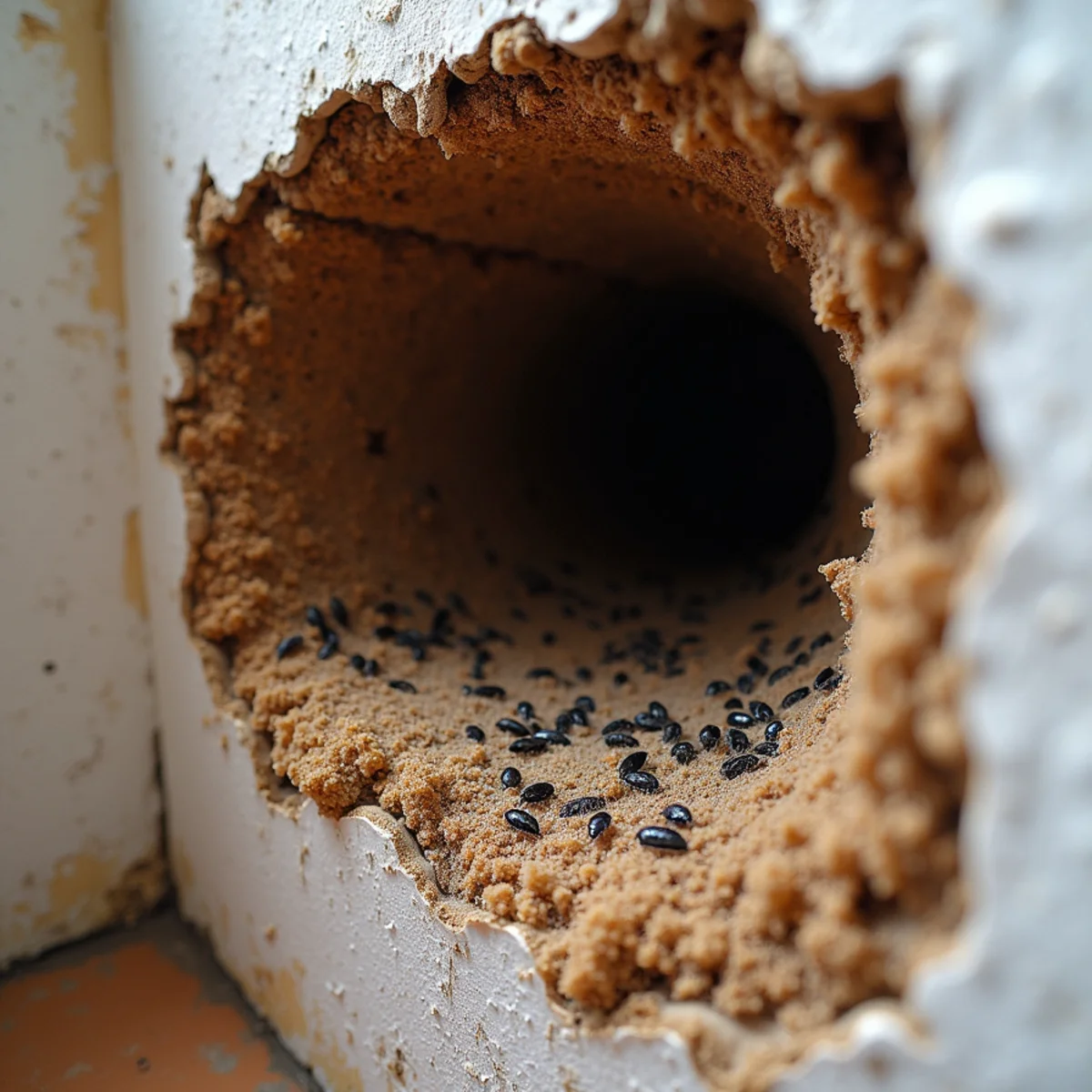
Differentiating between native eastern subterranean termites (Reticulitermes flavipes) and invasive Formosans requires examining three distinct morphological and behavioral characteristics:
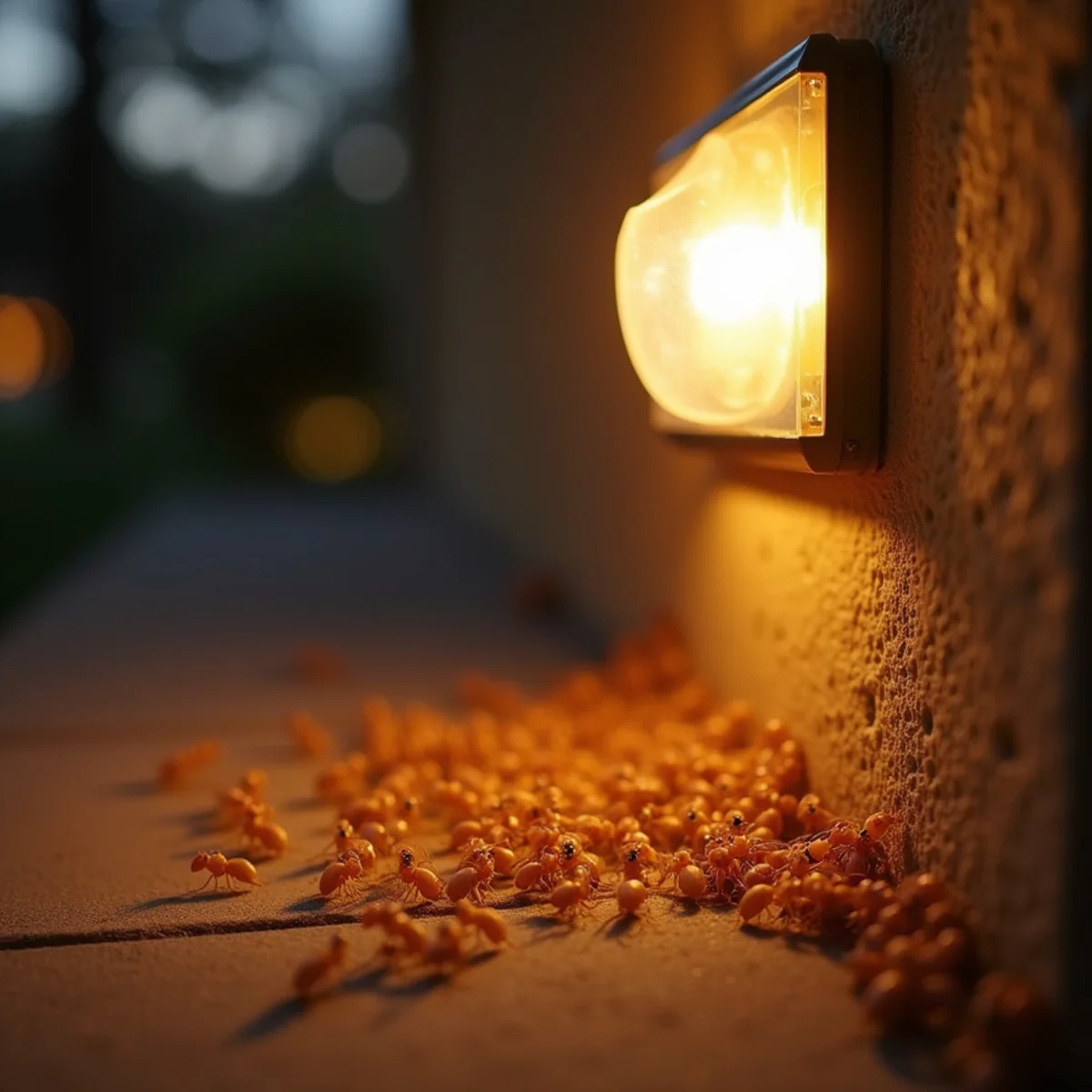
- Swarmer Color & Flight Timing: Native subterranean alates are small (about 3/8 inch), solid coal-black, and swarm during bright morning daylight between February and April following rain. Formosan alates are larger (1/2 inch), light caramel yellowish-brown, feature dense microscopic hairs on their wings, and swarm in massive cloud-like evening flights from May through July, swarming aggressively around illuminated porch lights.
- Soldier Anatomy & Defensive Fluid: Native subterranean soldiers have rectangular, parallel-sided heads with dark pincers. Formosan soldiers have tear-drop or oval-shaped mahogany heads and possess an opening on their forehead (the fontanelle) through which they eject a white, glue-like defensive secretion when disturbed.
- Nesting & Moisture Habits: Native subterranean termites are obligate soil-dwellers that must return to ground moisture every 24 to 48 hours. Formosan termites, however, can establish above-ground 'carton nests' inside wall voids, decoupling themselves entirely from soil contact.
Need Immediate Guidance for Your Home?
Our local Humble coordination team is ready to answer questions and schedule on-site evaluations.
Aerial Carton Nests: Why Standard Soil Treatments Can Fail
The greatest engineering challenge in Formosan termite management is their ability to construct aerial carton nests. Unlike native termites that rely strictly on subterranean central nests, Formosans manufacture a spongy, moisture-retentive material called 'carton'—composed of chewed wood fibers, saliva, soil, and excrement.
If a home has an existing roof leak, window flashing condensation, or a slow plumbing drip behind a shower pan, Formosan workers use that indoor moisture source to construct massive carton nests directly inside structural wall cavities, floor joists, or soffits. Once established, an aerial colony can thrive indefinitely even if an exterior perimeter ground trench is treated with liquid termiticide, because the termites never need to cross the treated soil barrier. Thermal imaging cameras and optical moisture meters are essential for locating these concealed interior nests.
Structural Consumption Rates: How Quickly Damage Accumulates
While all subterranean termites consume wood cellulose, Formosan termites cause structural failure at a catastrophic pace:
A typical native subterranean termite colony of 300,000 workers consumes approximately 5 grams of wood per day—taking upwards of two to three years to cause serious structural compromise. In stark contrast, a mature Formosan colony containing 4 million workers can devour approximately 13 to 16 ounces (nearly a full pound) of structural lumber every single day.
Under this level of feeding pressure, load-bearing 2x4 wall studs, subflooring, and ceiling joists in a Kingwood or Atascocita home can suffer severe hollowed structural failure in as little as 6 to 12 months. Furthermore, Formosan termites will readily chew through non-cellulose building components—including soft PVC plumbing pipes, electrical conduit coating, and rigid foam foundation insulation—to forge foraging tunnels toward wood.
Specialized Eradication Protocols for Formosan Termites
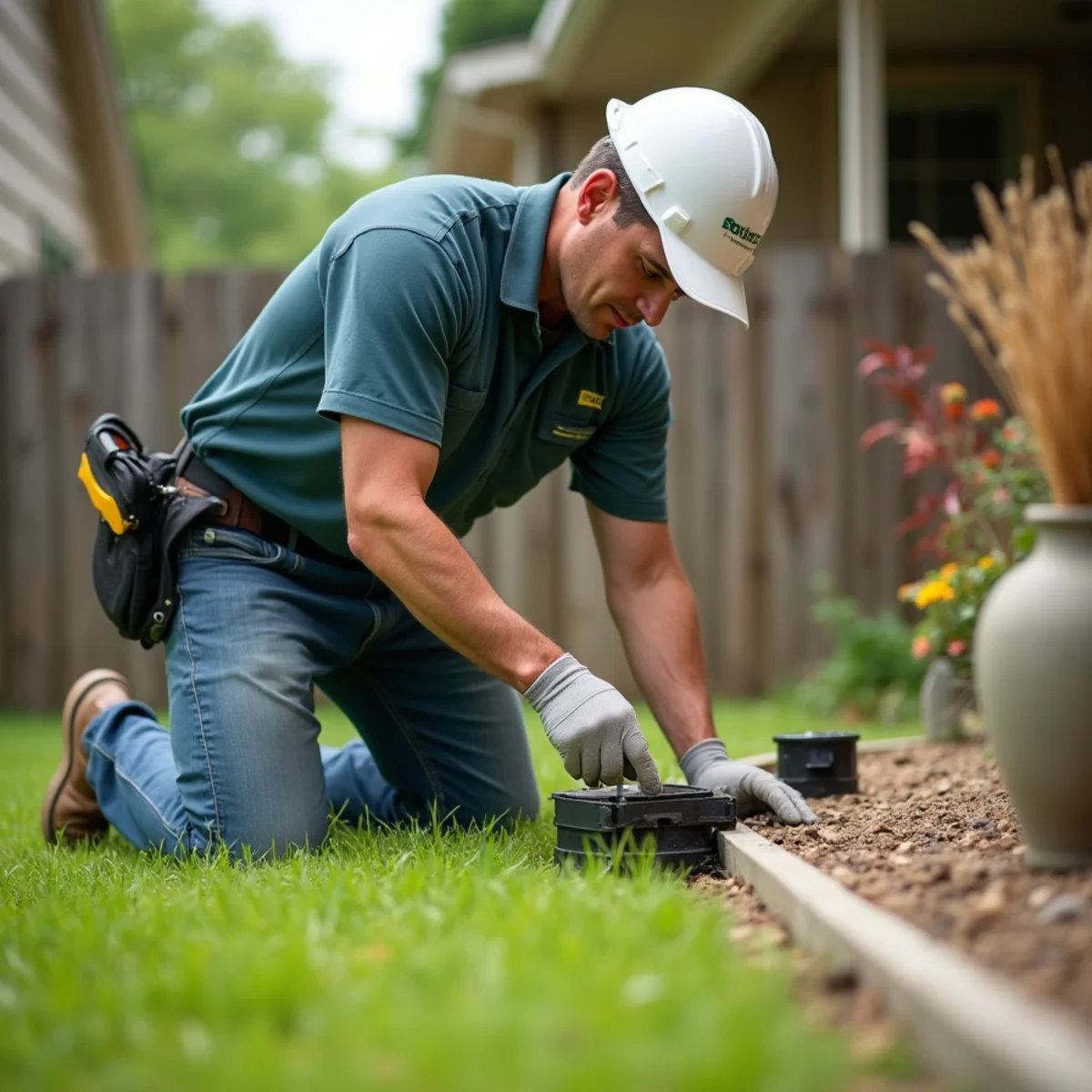
Because Formosan termites possess immense colony biomass and the capacity for aerial nesting, standard localized spot-spraying fails completely. Eradicating Formosan termites in Northeast Harris County requires a dual-tier structural protocol:
Tier 1: High-Volume Perimeter Non-Repellent Liquid Barrier: Technicians dig and rod a continuous trench around the concrete foundation using Fipronil (Termidor SC) at maximum label concentration. Foraging termites unknowingly track the non-repellent active ingredient back to the colony, transferring it to nestmates through social contact.
Tier 2: In-Ground Chitin Synthesis Bait Stations (Sentricon): Placing bait stations loaded with noviflumuron around the entire property perimeter at 10-foot intervals intercepts satellite foraging tubes before they reach the slab, preventing molt cycles and systematically destroying the subterranean queens.
Tier 3: Precision Expanding Foam Injections: Where thermal imaging confirms aerial carton nests inside wall cavities, technicians drill discreet access ports and inject high-expansion non-repellent micro-foam directly into the carton matrix to collapse the secondary colony.