
Why Over-the-Counter Bug Sprays Fail: The Science of Professional Pest Control

Store-bought bug sprays rely on fast-acting pyrethroids that act as chemical repellents. They kill visible surface pests while alarming hidden queens, triggering colony budding where ants and German roaches scatter into walls and multiply. Licensed professionals use non-repellent transfer chemistry and insect growth regulators.
The Repellency Trap: How Retail Sprays Scatter Colonies
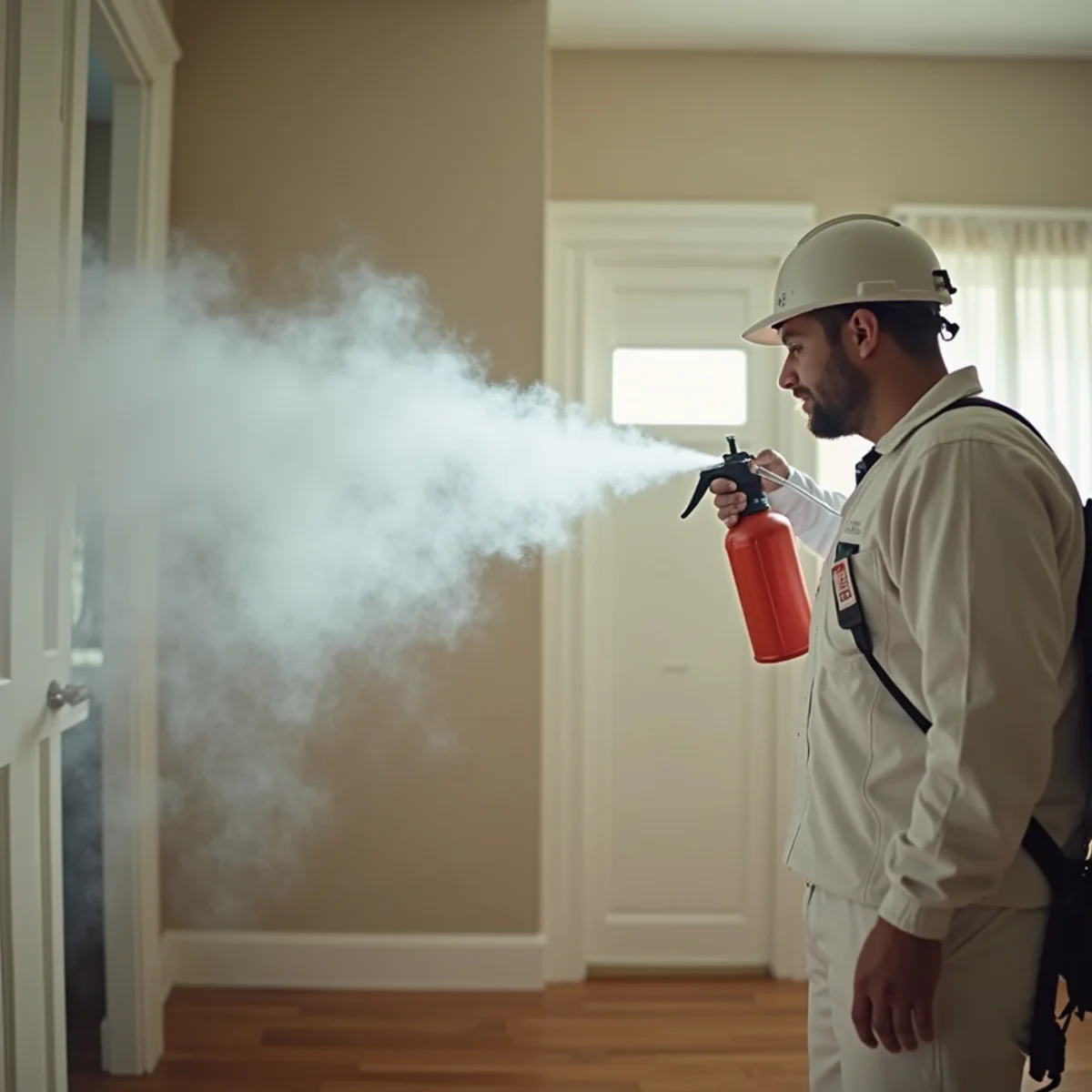
When a homeowner spots a line of ants streaming across the kitchen baseboard or a cockroach darting behind the stove, the instinctual reaction is to drive to the nearest hardware store, purchase a $15 aerosol spray or total-release bug fogger, and douse the problem area. While watching an insect curl up and die on contact offers instant psychological satisfaction, that single spray frequently turns a minor localized issue into an uncontrollable whole-house infestation.
The fundamental flaw of almost all retail insecticides (such as standard Raid, Ortho Home Defense, or Hot Shot) is that they rely on fast-acting synthetic pyrethroids (like permethrin, cypermethrin, or bifenthrin). Pyrethroids are potent neurotoxins with high chemical repellency.
Because the chemical vapor is immediately detectable to insect antennae, it creates a defensive panic among social insects. In species like Pharaoh ants, crazy ants, and German cockroaches, repellent sprays trigger a biological survival mechanism known as 'budding.' When foraging scouts fail to return or bring back toxic repellent residues, the reproductive queens inside wall cavities become alarmed, disperse in multiple directions, and establish separate satellite nests throughout bedrooms, closets, and bathrooms.
The Mode-of-Action Gulf: Contact Killers vs. Non-Repellent Transfer Chemistry
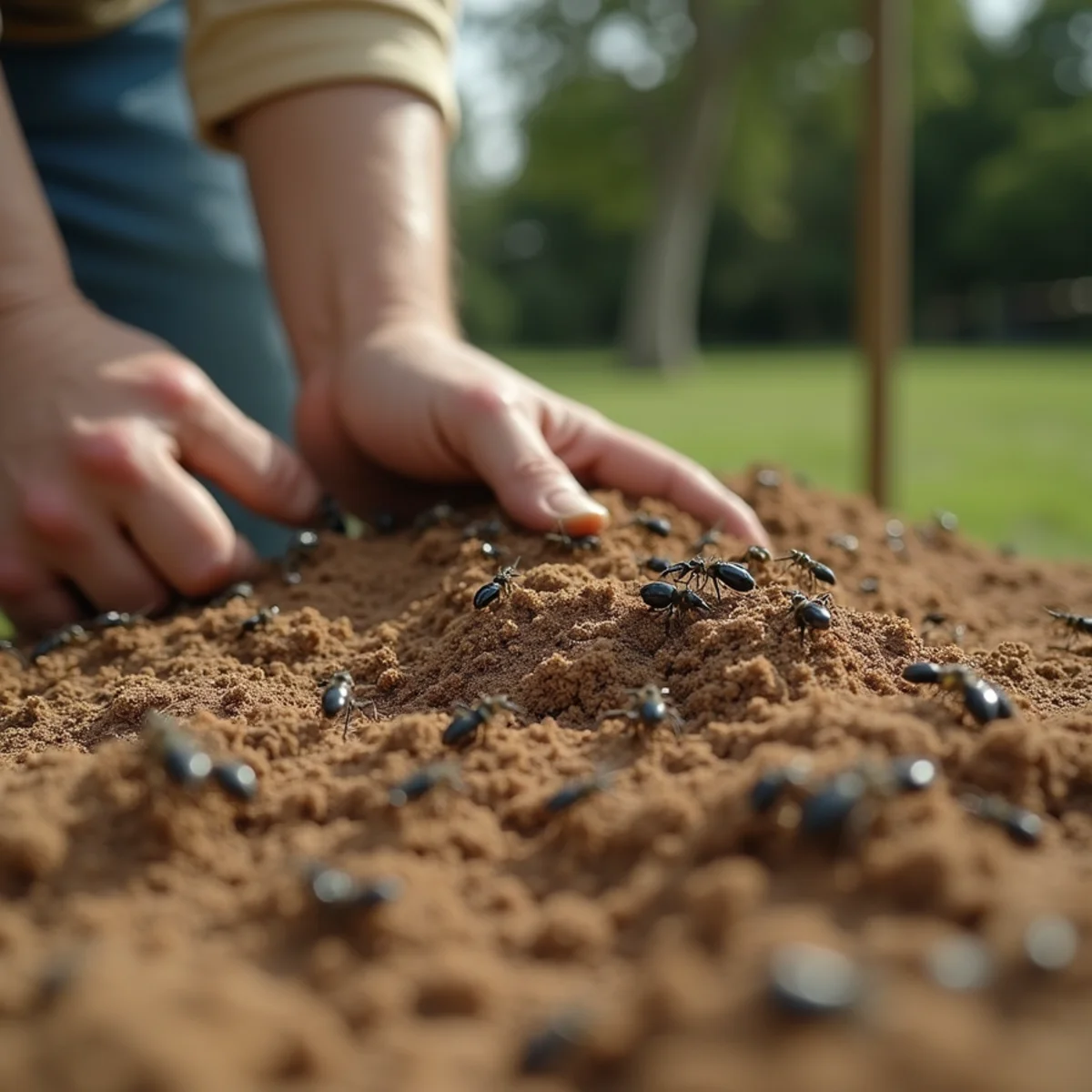
The gap between retail bug sprays and professional structural pest management is not merely a matter of chemical concentration; it is a fundamental difference in biochemical engineering.
Licensed pest control operators have exclusive access to prescription-grade non-repellent active chemistries—such as Fipronil (phenylpyrazoles), Chlorfenapyr (pyrroles), Dinotefuran (neonicotinoids), and Indoxacarb (oxadiazines).
Non-repellent chemistries are completely undetectable to insect olfactory and tactile senses. When applied along foundation perimeters or inside wall voids, foraging insects walk across the treated surface naturally, without alarm or irritation. The chemistry features delayed mortality kinetics: instead of killing the insect within 30 seconds, it allows the forager to live for 24 to 72 hours.
During this window, social insects return deep inside subterranean nests or wall cavities. Through mutual grooming (trophallaxis), food sharing, and cannibalism of dead nestmates (necrophagy), the active ingredient is transferred horizontally throughout the colony like a biological contagion, systematically poisoning the brood, soldier caste, and egg-laying queens.
Need Immediate Guidance for Your Home?
Our local Humble coordination team is ready to answer questions and schedule on-site evaluations.
Insect Growth Regulators (IGRs): The Missing Half of Every DIY Treatment
Even if a retail spray kills every adult insect visible in a room, it does nothing to stop the eggs, pupae, and juvenile nymphs hidden behind walls and baseboards. As soon as those eggs hatch 10 to 20 days later, the infestation surges back with renewed vigor.
Professional protocols incorporate Insect Growth Regulators (IGRs)—specialized compounds containing active ingredients like pyriproxyfen, hydroprene, or novaluron. IGRs do not kill insects directly with neurotoxins; instead, they mimic natural juvenile insect hormones or inhibit chitin synthesis:
- Metamorphosis Disruption: Juvenile nymphs exposed to IGRs are genetically prevented from completing their molting cycles, permanently trapping them in immature, non-reproductive stages until they perish.
- Morphological Deformities: Roaches that mature in the presence of IGRs develop twisted, deformed wings and withered reproductive organs, rendering males sterile and preventing females from producing viable ootheca egg capsules.
- Ovicidal Sterility: Female bed bugs, fleas, and roaches that absorb IGRs lay sterile, desiccated eggs that never hatch.
The Hidden Financial Math: DIY Expenses vs. Professional Warranty Economics
Homeowners frequently choose DIY sprays under the assumption that it saves money. However, analyzing real-world expenditures reveals that DIY pest management is often significantly more expensive over a 12-month period:
- The Escalating Hardware Store Tab: A homeowner dealing with German roaches or fleas typically buys 3 to 4 spray cans ($60), 2 boxes of foggers ($30), retail ant traps ($25), and a pump sprayer ($35). When the initial treatment fails, they buy different brands or 'concentrated' jugs, easily spending $200 to $400 over three months with zero lasting relief.
- Collateral Damage & Replacement Costs: Ineffective DIY bed bug or rodent attempts frequently result in discarding thousands of dollars worth of mattresses, sofas, or clothing that could have been saved with professional thermal or targeted remediation.
- Structured Professional Warranty Value: A professional pest program (typically $95 to $130 per quarter) includes customized perimeter non-repellent barriers, de-webbing eaves, attic dusting, and whole-yard fire ant treatments. Crucially, professional agreements include free unlimited retreatment warranties: if pests reappear between scheduled visits, the technician returns and re-treats at zero additional charge.
Precision Diagnostics & Integrated Pest Management (IPM)
Pest management is 80% biology and building science, and only 20% chemistry. Spraying chemicals without understanding architectural failure points is futile.
A licensed Geaux 72 technician diagnoses the root environmental conditions that invite pests in the first place: measuring foundation moisture levels, inspecting brick weep holes, checking plumbing blockouts, evaluating attic ridge vents, and identifying tree canopy bridges. By combining targeted non-repellent chemistries with physical structural exclusion, professional IPM eliminates infestations at their source and prevents future invasions for good.